


Circular Economy Lags New Zealand

Staff Reporter
08 February 2026, 9:16 PM
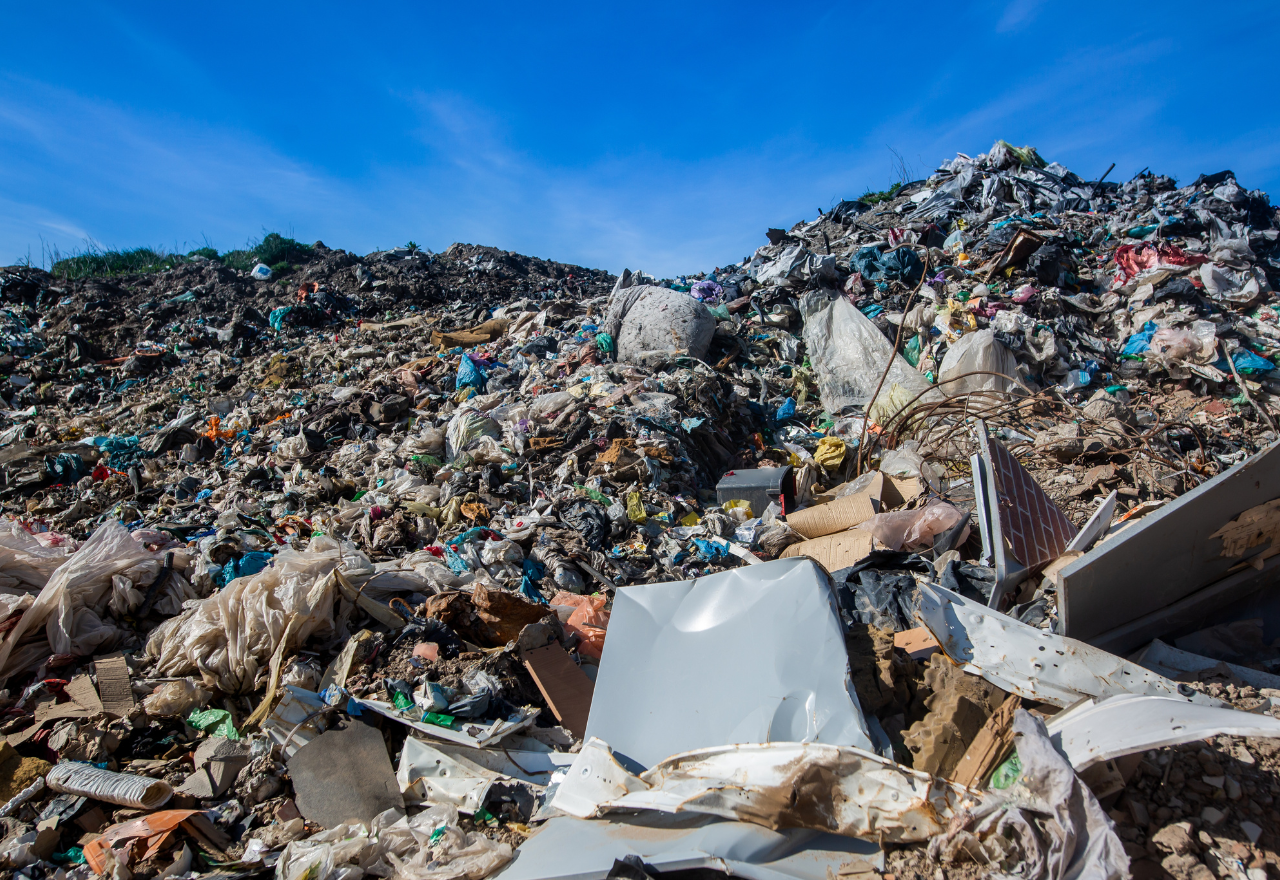 Experts warn waste system needs overhaul.
Hibiscus Coast households are part of a system where New Zealand recovers less than 1 percent of materials flowing into the economy.
A circular economy is designed as a loop.
Products are made to stay in use through repair, reuse, remanufacturing, or being remade, so they do not become waste.
The goal is to design waste and pollution out from the start, keep materials in use, and regenerate the natural systems the economy relies on.
University of Auckland Professor Saeid Baroutian says most people think circular economy means recycling, but it is much broader.
He says it should be treated as industrial strategy, not just waste policy.
Research commissioned by the Ministry of Business, Innovation and Employment found New Zealand operates one of the most linear and wasteful economies in the developed world.
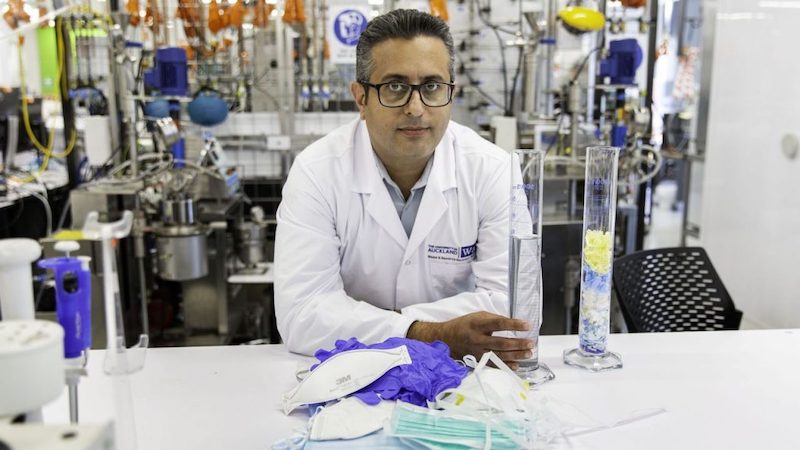
University of Auckland Professor Saeid Baroutian. Photo: Supplied
It reported that less than 1 percent of materials are recovered through recycling.
It also found around 700kg to 750kg of waste per person goes to municipal landfills each year, among the highest rates in the OECD.
Construction is a major driver.
It is responsible for about half of New Zealand’s total waste.
PricewaterhouseCoopers has reported that 80 percent of waste is effectively determined before a building leaves the drawing board, which points to design and procurement decisions as a key lever.
Other sectors show similar gaps.
An Auckland University of Technology-led study into major food manufacturers found firms are starting to adopt circular ideas, but recovery of materials or energy remains the weakest link.
Companies reported they still lack working knowledge of circular processes, and the traditional linear model still dominates.
Overseas, regulation is moving faster.
The European Union has rolled out circular economy requirements since 2018, including eco-design rules, right-to-repair, digital product passports, and stricter sustainability reporting.
Across Asia-Pacific, many countries have introduced extended producer responsibility schemes that make manufacturers accountable for products across their full life cycle.
New Zealand has taken some steps, including product stewardship for tyres and e-waste, plastic phase-outs, and a higher landfill levy.
But University of Waikato researchers concluded central government has mostly adopted a “weak” model of circularity, focused on end-of-pipe waste and voluntary action rather than strong regulation and long-term investment.
The study also argues momentum has slowed since the 2023 election.
MBIE warned that tightening standards in Australia and the EU, including recycled-content rules, packaging requirements, and life-cycle disclosures, could raise trade costs or reduce market access for New Zealand exporters if the country does not align.
MBIE estimates circular interventions across construction, manufacturing, and food could cut 1.5 million to 1.9 million tonnes of CO2-equivalent emissions each year, about 3 percent of New Zealand’s net emissions.
On the Hibiscus Coast, Coasties can back the shift by choosing repair before replacement, buying durable goods with minimal packaging, reusing or selling items before they become waste, and asking tradies what can be salvaged on renovation jobs.
Get the Hibiscus Coast headlines first.
Corrections, tips, or photos, [email protected]
NEWS


TRADES & PROFESSIONAL SERVICES

FOOD & SHOPS