


Fuel Prices Spark EV Interest

Staff Reporter
10 March 2026, 9:04 PM
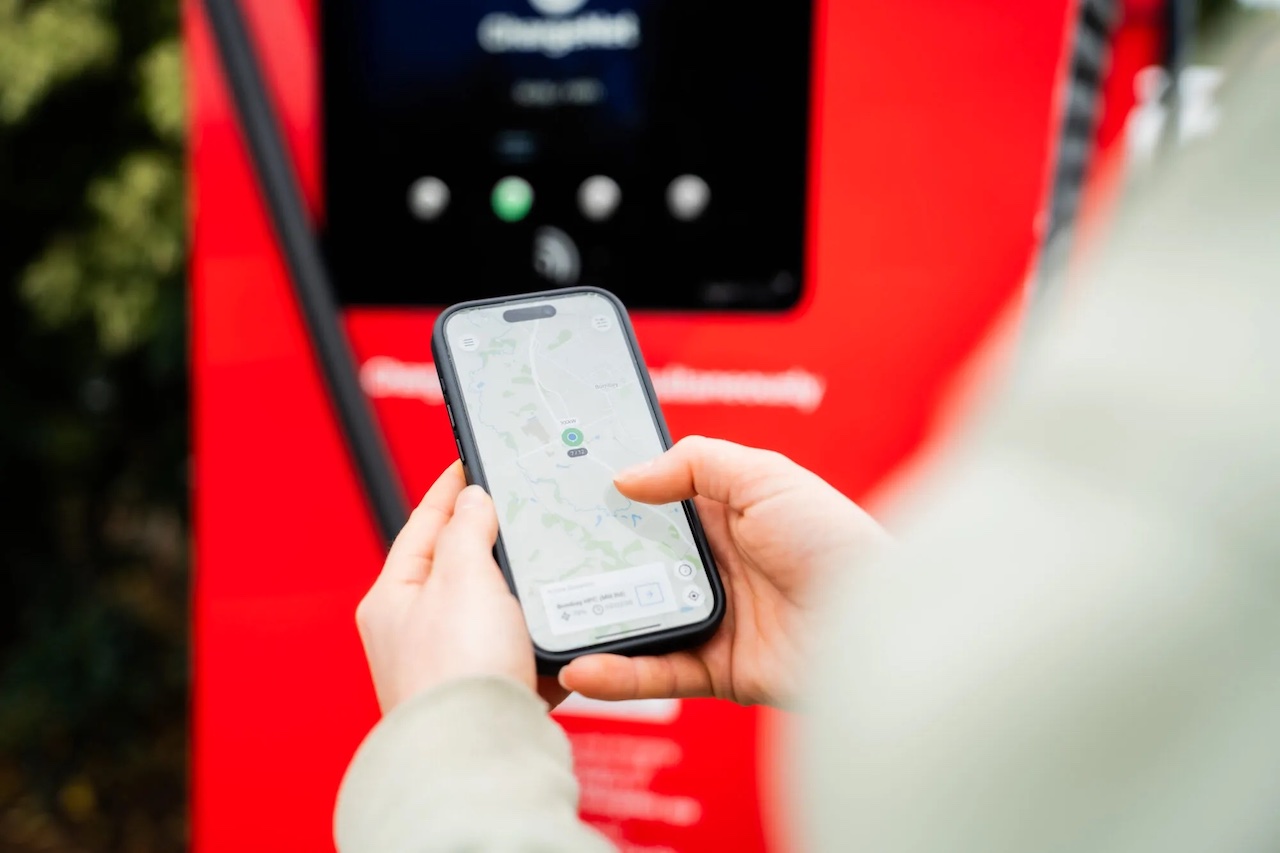 Latest EV sales data and charging locally.
Fuel prices shifting almost daily during the Iran conflict are again putting attention on electric vehicles, and the latest national figures show EV adoption continuing to edge upward.
Year to date in New Zealand, battery electric vehicles (BEVs) now make up 6.6% of new vehicle sales, up from 5.9% in 2025, while plug-in hybrid vehicles (PHEVs) have risen to 7.0% from 5.9% last year, according to EVDBNZ statistics.
Hybrid vehicles remain the largest electrified segment but have slipped to 28.6% of sales, down from 31.8% in 2025.
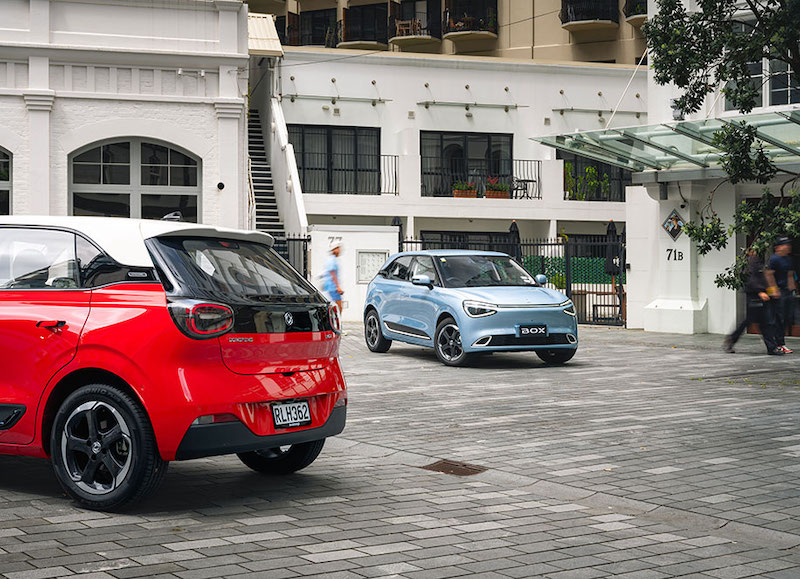
Dongfeng BOX. Photo: Dongfeng New Zealand
The cheapest new EV currently available in New Zealand is the Dongfeng Box, listed from $26,990.
On the efficiency scale, the Tesla Model 3 Premium Long Range RWD is regarded as the most energy-efficient EV on sale locally, travelling the furthest per unit of electricity, with pricing starting from $71,900.
In the market so far this year, the BYD Atto 1 is the best-selling individual EV model, while BYD holds the largest share among EV manufacturers with 26.3% of total units sold.
Charging infrastructure continues to expand across the country.
On the Hibiscus Coast, the fastest publicly accessible charger is the 200kW ChargeNet unit at Pak’nSave Silverdale on Brian Smith Drive.
ChargeNet says its newest 300kW hyperchargers, deployed in parts of the national network, can add up to around 400km of driving range in about 15 minutes for compatible vehicles.
The company, founded by Dee and Steve West, operates more than 520 public charging points across New Zealand from Bluff to Cape Reinga.
New research has also mapped New Zealand’s EV journey charging needs through to 2030, focusing on the public chargers drivers use for longer road trips.
The analysis by DETA Consulting found about 609 additional 50kW public journey chargers will be needed nationwide by 2030 to meet demand on the busiest travel days.
Electricity Networks Aotearoa chief executive Tracey Kai said the findings were encouraging, saying more chargers are needed, but not everywhere, with many parts of the country already having enough fast chargers to meet projected 2030 demand.
The work found 443 additional 50kW chargers would be needed in the North Island and 166 in the South Island.
It also found that if larger chargers such as 100kW to 300kW units are installed, fewer sites would be needed overall.
Based on 100kW chargers, the equivalent requirement falls to 336 chargers nationwide, including 243 in the North Island and 93 in the South Island.
Find all EV charging points on the Hibiscus Coast here.
Follow local news, updates, and community stories.
Corrections, tips, or photos: [email protected]