


Lost Grave Lies Beneath Stanmore Bay

Coast Chronicler
12 December 2025, 10:00 PM
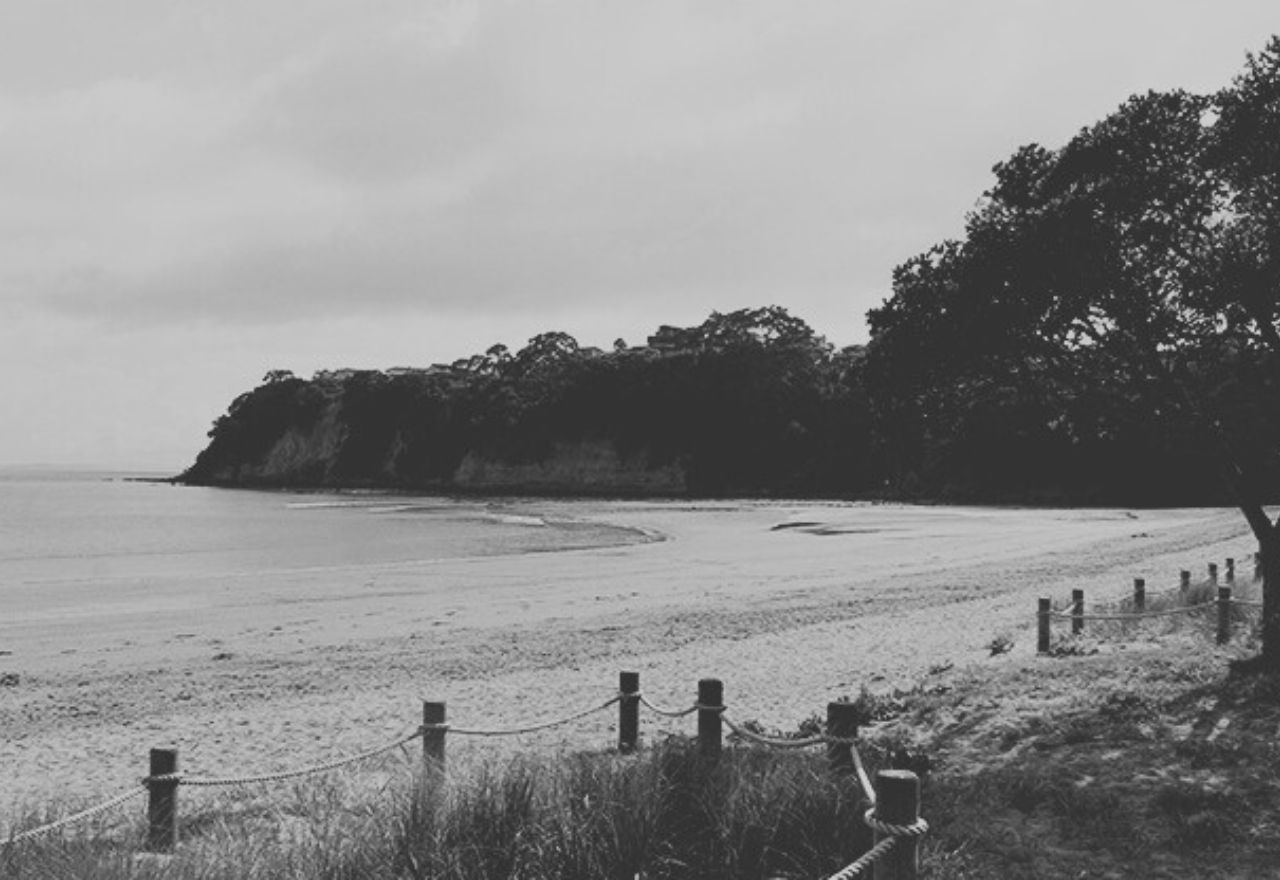 A lost grave sits beneath modern suburbia.
Coast Chronicles is our regular deep dive into the stories and decisions that shaped the Hibiscus Coast you live in today.
Henry Glanville moved here to heal his heart.
He arrived from New South Wales in 1857 with his wife, Mary, and they settled in a quiet bay that briefly bore their name before becoming Stanmore.
Life was hard work in those early days.
They cleared bracken fern to plant corn and wheat.
The family dined on wild pigeons and ducks caught near the water.
But Henry’s bad heart gave out not long after they arrived.
Mary returned to Australia, leaving Henry behind in the soil he had just begun to till.
His final resting place remains a local mystery.
Locals believe he lies somewhere near the original homestead site, further down the bay.
It is difficult to imagine Henry’s isolation today.
The silence of 1857 has been replaced by the splash of the Leisure Centre pool and the hum of Whangaparāoa Road traffic.
Where he once listened for wild ducks, commuters now queue for the morning rush.
The solitude he sought has been paved over by the noise of progress.
Yet traces of the Glanvilles remain visible if you look closely.
Stanmore Cottage still stands at the top of Brightside Road.
Once a farmhouse, it now serves as a childcare centre for a new generation.
The bach boom of the 1950s saw sections sell for just £30, as holiday homes spread across old gum-digging lands and farm plots.
We build our modern lives on top of these early stories, assuming our structures will last.
Henry’s story offers a quiet warning about impermanence.
In a final twist of irony, the sea washed up his headstone in the 1970s, yet it kept his bones.
Nature eventually reclaims everything, no matter what we build on top.
Coast Chronicles is written by the Hibiscus Coast App editorial team, under the shared byline “the Coast Chronicler.”
Got a local memory or a news tip?
We’d love to hear it. Send it to [email protected]
NEWS