


Briefing Warns Smoke Risks Rise

Staff Reporter
10 March 2026, 12:12 AM
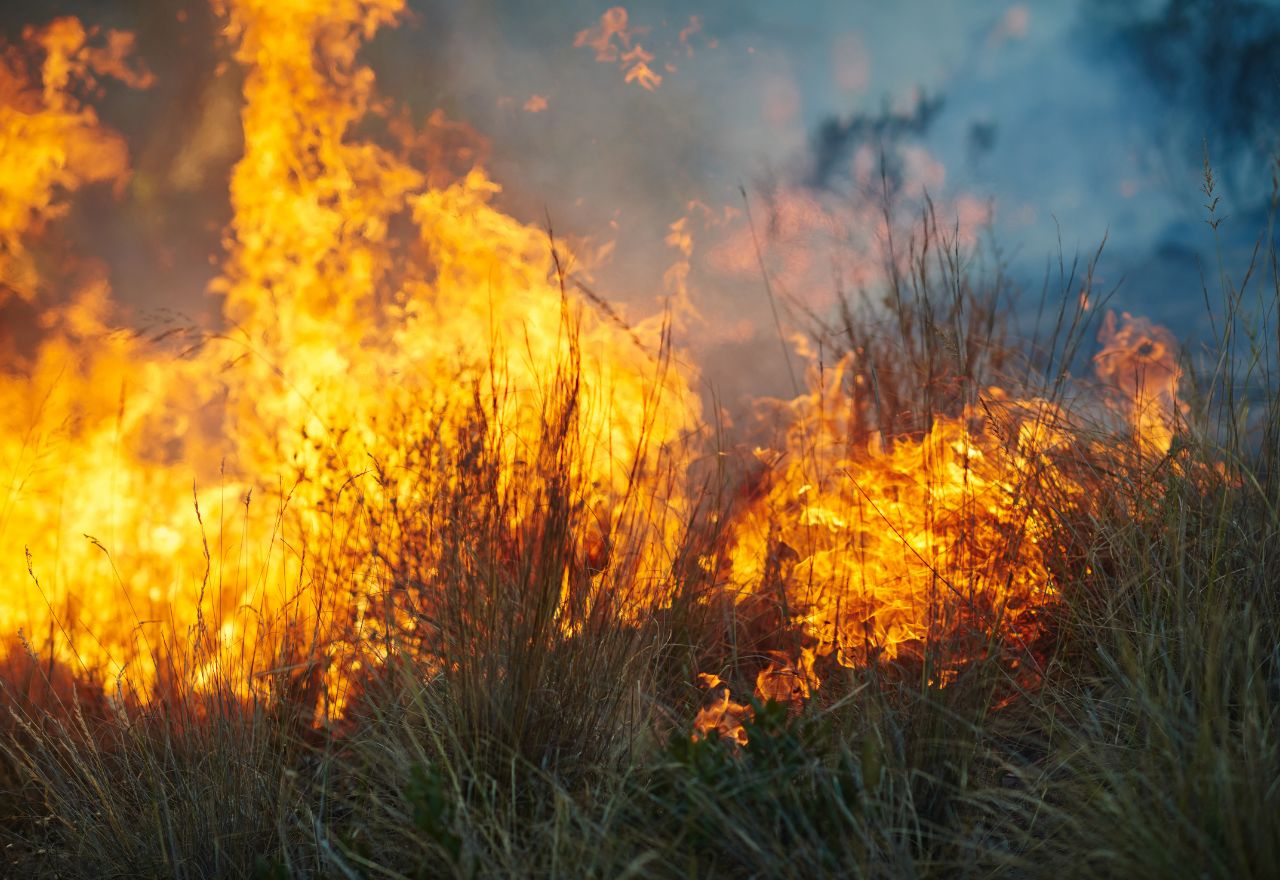 Wildfires have risen from 3,000 to 5,000.
A new briefing says fire smoke poses a growing public health risk in New Zealand.
The latest Briefing from the Public Health Communication Centre examines current public health advice and looks at how new monitoring tools could better protect communities when paired with coordinated response plans.
Lead author Dr Guy Coulson said the health risks from smoke pollution are often missed.
“Smoke from both landscape and urban fires, which can travel vast distances, contains fine particles and toxic gases that can harm respiratory and cardiovascular health. Infants and children, older adults, people with asthma and those who are pregnant are particularly vulnerable,” he said.
Over the past 30 years, the annual number of wildfires in New Zealand has risen from around 3,000 to nearly 5,000.
The fire season is projected to lengthen by the end of the century due to climate change.
The Briefing says smoke plumes can shift quickly with wind changes, creating local spikes in air pollution.
It also says regional council monitoring stations are limited in number and often do not provide real-time data, while health warnings are not currently triggered by air quality monitoring.
Dr Coulson said low-cost internet-connected sensors, online maps, weather forecasting and smoke dispersion modelling could support more timely health advice.
The authors also say portable air cleaners and HEPA filters can reduce indoor particle levels, though access and public understanding remain issues.
They call for expanded real-time monitoring networks, links between citizen-sourced data and alert systems, a national smoke incident response plan with defined roles, and more research.
What this means for locals is that smoke from major fires can become a fast-changing health risk, and the authors say better planning, monitoring and public guidance are needed before the next major event.
“The next major fire event is not a matter of if, but when,” Dr Coulson said.
Follow local news, updates, and community stories.
Corrections, tips, or photos: [email protected]