

Plant-Based Diets Cut Health Risks

Staff Reporter
05 February 2026, 7:18 PM
 New review links diet and resilience.
That heavy, post-summer sluggish feeling can make “health” sound like another job to do.
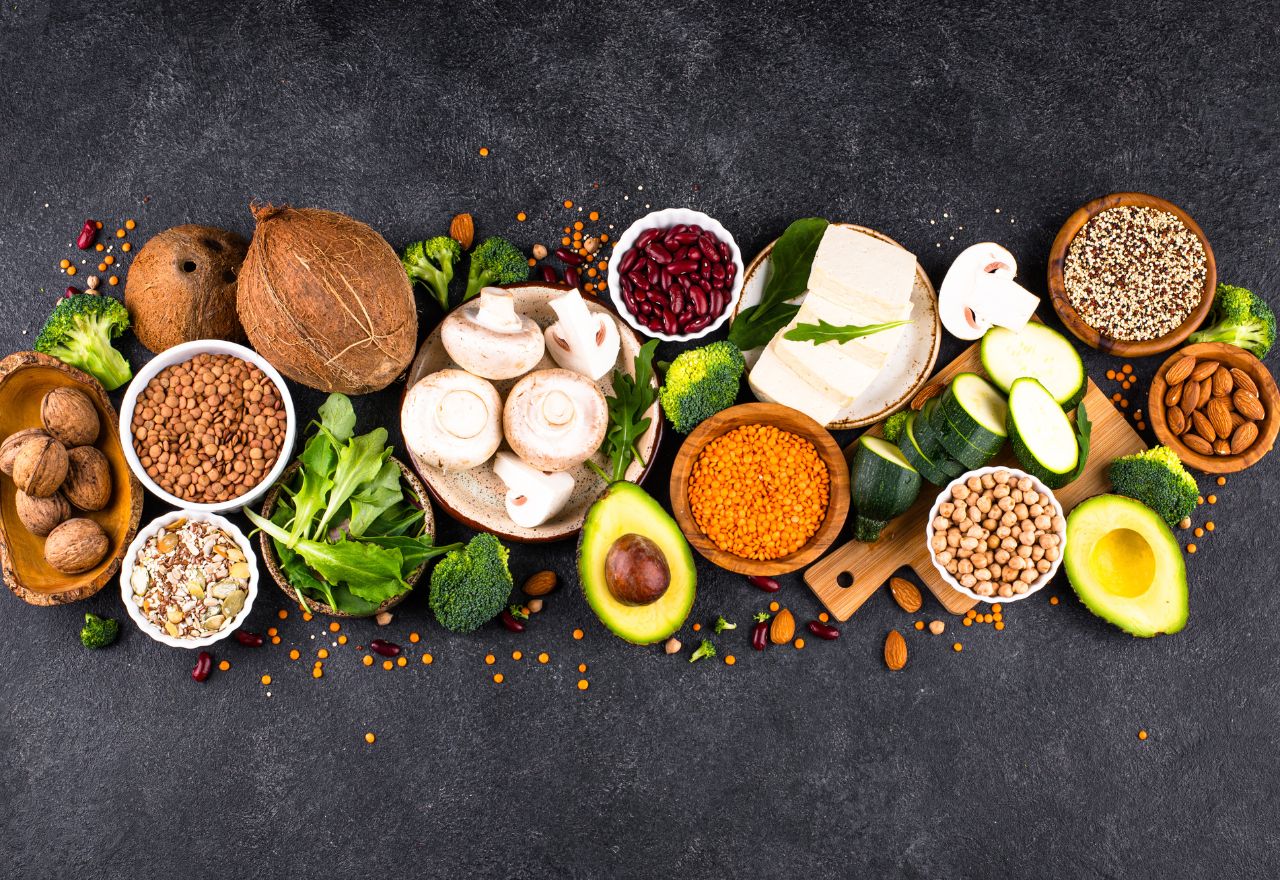
A new review, recently published in the American Journal of Lifestyle Medicine, argues plant-based diets could cut non-communicable disease risk, reduce future pandemic threat, and lessen climate-linked health pressure, with a University of Auckland researcher leading the work.
The review was written by 19 authors across medicine, dietetics, and academia, and it frames Covid-19 as proof that reactive healthcare is expensive, while prevention is cheaper and more durable.
Lead author Dr Komathi Kolandai says modifiable lifestyle factors matter because managing fallout after disease arrives can be hugely costly, and she notes most Covid diet research is observational, so it cannot prove cause and effect.
Beyond Covid, the review points to established evidence linking plant-based eating patterns with lower risk of heart disease, type 2 diabetes, obesity, chronic kidney disease, and some cancers.
It also cites modelling work suggesting large-scale dietary shifts could save billions in healthcare costs and add more than a million quality adjusted life years globally.

Dr Komathi Kolandai. Photo: Supplied
The authors connect diet to spillover risk, pointing to intensive livestock production, wildlife trade, and high demand for animal protein as drivers of zoonotic disease.
They argue reducing reliance on animal-based foods could reduce the chance of new pathogens crossing into humans, which is more effective than trying to contain outbreaks later.
They also link animal-based foods to more than half of global food-related greenhouse gas emissions, and say plant-forward shifts could cut agricultural emissions substantially, easing climate-related harms like heat stress, respiratory illness, vector-borne disease, and mental health strain.
The review flags practical barriers too, limited nutrition training for clinicians, inconsistent definitions of “plant-based” in research, and unequal access to affordable, culturally familiar plant-based foods.
For Hibiscus Coast families, the useful idea is modest, realistic shifts supported by access and good advice, so it feels like a workable default rather than a one-off reset.
Get the Hibiscus Coast headlines first.
Corrections, tips, or photos, [email protected]