Hibiscus Coast App

News


Local Bus Safety Group Starts

19 December 2025, 7:40 PM

No parent expects a bus ride home to end in fear. A new Facebook group, HBC Bus Safety – Community Action Group, has been formed by local mum Lucy after she says her 16-year-old son was assaulted on a local bus travelling from Albany to the Hibiscus Coast on Tuesday, December 9.According to Lucy’s post, her son was sitting upstairs with friends when a group of teenagers approached. One girl accused him of “staring” and, without warning, punched him several times in the mouth, cheek, and throat. His inner lip was cut and bleeding. Another teenager stood in a blocking position beside the attacker, making it hard for anyone to step in. A third teen held a phone and tried to film, or pressure him into making hand gestures. Lucy says her son and his friends heard threats to “get him at the next stop” or “finish it”.Lucy says several adult witnesses have since come forward, confirming the behaviour, the filming, the threats, and the assault. When the bus arrived at the Hibiscus Coast Bus Station, she says her son and his friends ran straight to a security guard for help. They were frightened, shaking, and unsure if the group would follow them.Afterwards, Lucy says she posted online asking for witnesses and the response was overwhelming. People replied with story after story of similar experiences, she says, with some involving violence and others involving intimidation. The group, she says, is there to collect stories, support each other, identify patterns, and present clear evidence to Police, Auckland Transport, and local representatives.Whatever your view, it’s clear this has left one Hibiscus Coast family shaken, and it has struck a nerve with others.Know something local worth sharing?Send it to [email protected] — we’ll help spread the word.

Government Funds Auckland Hornet Response

19 December 2025, 3:00 AM

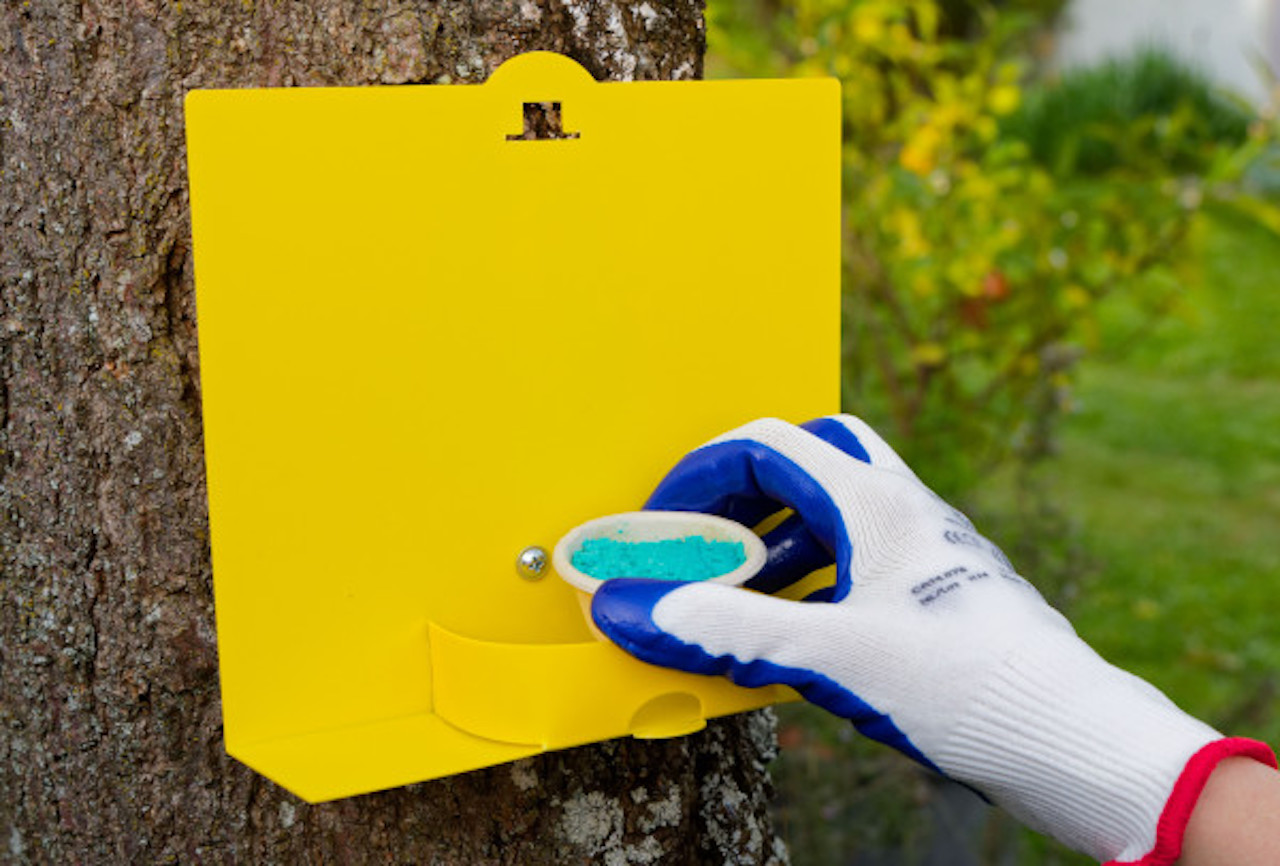
The Government has put $12 million into wiping out yellow-legged hornet in Auckland after North Shore detections earlier this year.Biosecurity Minister Andrew Hoggard says the funding will cover the cost of the response through to Tuesday, June 30.He says the hornet is a predator that poses a serious threat to honeybees and, by extension, to New Zealand’s agricultural sector and overall economy, and that it is crucial to stop it establishing here.Biosecurity New Zealand will contribute $2 million from its baseline funding, with the remaining $10 million coming from reprioritised funds.If costs rise, Mr Hoggard says the Government will consider further funding.He says Biosecurity New Zealand is working with industry partners under the Government Industry Agreement, including cost sharing for the response, and is engaging with beekeepers via their groups.The response escalated after it began on Monday, November 3. Biosecurity New Zealand says it has so far:Detected and safely destroyed 37 queen hornets and 28 nestsDeployed more than 730 traps, with the surveillance zone extended to 11kmWorked with beekeepers on surveillance around hives, with over 575 registered apiaries within the 11km zoneSearched thousands of properties within 200m of confirmed findsSet up an independent technical advisory groupBought electronic tracking gear to trace nests by tagging foraging worker hornetsLaunched a national advertising campaign and community awareness efforts“I can’t overstate the importance of public vigilance,” Mr Hoggard says, urging people to report suspected sightings immediately to Biosecurity New Zealand. For Hibiscus Coast locals, the ask is the same: keep an eye out, and report it fast if you think you’ve seen one.Seen something local we should cover?Let us know at [email protected]

A Fresh EV Reality Check

18 December 2025, 11:17 PM

How often does a test drive actually change your mind?Earlier this week I took the Zeekr 7X for a drive, one of the newest EVs to arrive in New Zealand, and it genuinely shifted my expectations.I have only driven a Tesla model S many years ago, so I assumed the usual EV trade-off: impressive pace, lots of screens, and not much warmth.The Zeekr 7X felt different from the first few minutes.The cabin came across as properly luxurious, with the sort of comfort you notice straight away, including massaging seats that feel more than a gimmick.I also appreciated the basics done well, like real buttons you can use without hunting through menus, and a heads-up display that makes driving feel calmer and more intuitive.And yes, it has effortless acceleration that will put a smile on most faces, even if you are not chasing speed.Zeekr 7X now available in New Zealand. Photo: Giltrap ZeekrThis is not a review, or a recommendation to buy this exact car.It is a nudge for anyone on the Hibiscus Coast thinking about changing vehicles any time soon to keep your options wide.The EV market has moved fast, and there are now brands and models worth serious consideration beyond the usual names.If you are shopping in the next 6 to 12 months, do yourself a favour and test drive broadly across makes and models, then decide based on what you will live with every day: comfort, controls, visibility, storage, ride feel, and how confident you feel behind the wheel.Know something local worth sharing?Send it to [email protected] — we’ll help spread the word.

Watercare Signs Warkworth Pipeline Deal

18 December 2025, 8:04 PM

Ever wondered what it takes to stop sewage overflows when a town keeps growing? Watercare has signed a contract with McConnell Dowell to deliver the Warkworth growth-servicing pipeline, described as the final piece in a $450 million programme transforming wastewater services for the Warkworth and Snells/Algies areas, with construction set to begin in the new year. The pipeline will run from the Warkworth Showgrounds to the new Warkworth Street Pump Station, and Watercare chief programme delivery officer Suzanne Lucas says it will “almost eliminate wet-weather overflows to the Mahurangi River” once complete, while supporting growth in northern Warkworth. With around 20,000 more people expected to move to the area in the next few decades, Watercare says pressure on the wastewater network has made the project critical for environmental protection and public health. Originally planned for completion in 2028, the work has been accelerated and split into two stages, with stage one due by December 2026 and stage two expected to be completed and in service in late 2027, supporting new housing north of the river. Watercare is investing an extra $2.5 million to fast-track stage one, and says early work will include service relocations, followed by shaft excavation for tunnelling, with more construction details to be shared in the new year. Lucas says the build is complex because it must happen while the wastewater network keeps operating 24 hours a day, seven days a week. Watercare says it has already completed upgrades around Kowhai Park and Great North Road, plus a town centre upgrade delivered in winter, to help reduce overflows in the meantime. For Coasties keeping an eye on how fast-growing towns manage infrastructure strain, this is one to watch.Know something local worth sharing?Send it to [email protected] — we’ll help spread the word.

Auckland Crashes Rack Up Hidden Costs

18 December 2025, 7:18 PM

A University of Auckland lecturer says crash delays cost Auckland billions, not just lives.Tim Welch, a senior lecturer in the School of Architecture and Design, says Auckland recorded 34,628 reported crashes between 2022 and 2025, and the real economic bill goes well beyond injuries, deaths, and emergency response.A new analysis puts Auckland’s crash costs at NZ$9.23 billion over three years, about 2% of the region’s NZ$157 billion economy. Welch says nearly NZ$200 million of that never really enters the public debate because it sits in a category most people overlook: network disruption.NZTA’s official crash-cost method covers medical costs, lost productivity, property damage, and the statistical value of a life. One fatal crash is costed at NZ$15.2 million. But Flow Transportation Specialists, working for Auckland Transport, estimated how crashes trigger wider congestion using GPS travel-time data and traffic counts.The analysis found a multi-vehicle motorway crash can generate NZ$1.4 million to NZ$3.5 million in network delay costs, while a serious arterial crash can cost NZ$26,000 to NZ$37,000 in lost time across affected road users. Applied across Auckland, network delays add about NZ$195 million, a 2.2% lift on conventional estimates.Welch argues this matters as the Government rolls back earlier speed reductions, because claimed time savings ignore the time lost when higher speeds increase crash frequency and severity. He notes the delay estimates are conservative and likely understate the true disruption.Know something local worth sharing?Send it to [email protected] — we’ll help spread the word.

Economy rebounds into 1.1 percent growth for September quarter

18 December 2025, 12:00 AM

The economy has rebounded from its mid-year slump as stronger manufacturing, construction, and business services pushed growth, backing the case for interest rates to be held steady.Stats NZ data showed gross domestic product (GDP) - the broad measure of economic growth - rose 1.1 percent in the three months ended September, to be 1.4 percent higher than a year ago.Expectations were for quarterly growth of about 0.9 percent, although the contraction in the previous quarter was revised lower to 1.0 percent from 0.9 percent."The 1.1 percent rise in economic activity ... was broad-based, with increases in 14 out of 16 industries," Stats NZ spokesperson Jason Attewell said, adding the economy had grown in three of the four past quarters.Turning the economic cornerThe strongest sectors were manufacturing and business services such as professional and technical, which both grew 2.2 percent, and construction rising 1.7 percent.Exports were up 3.3 percent, on the back of strong dairy and meat performances, but households' activity rose 0.1 percent.There were smaller positive contributions from real estate services, retail, and energy and water industries.The sectors to contract were telecommunications and internet services, and education and training.Individual shares of the economy - per capita GDP - rose 0.9 percent,.The country's purchasing power (disposable income) improved 0.7 percent for the quarter.Slow recoveryThe latest GDP reading has already been overtaken by more recent data with the monthly surveys of the manufacturing and services showing they have been going backwards, despite positive sentiment surveys.Retail sales have been improving, the GDP data showed increased demand for televisions, computers, and mobile phones.Dr Anna Breman Photo: RNZ / Samuel Rillstone"The retail trade survey shows increased spending on durables in the September quarter, with motor vehicle parts retailing up 7.2 percent, and electrical and electronic goods up 9.8 percent," Attewell said.However, consumer sentiment has remained pessimistic, with households concerned about the weak labour market and the continued high cost of living, while lower interest rates have been slow to filter through.Forecasts are for a gradual pick up in growth next year to around 1.5 percent, rising towards 3 percent in 2027.Rates on holdThe Reserve Bank last month cut the official cash rate (OCR) by 25 basis points to 2.25 and signalled it was likely the end of the rate cutting cycle, although it left the door ajar for further easing if the economic numbers turn sour.That message has been reinforced by the new Governor, Anna Breman, over the past week who has said financial markets are getting ahead of themselves by starting to price in RBNZ rate rises next year.Economists expect the economy to post stronger growth, which might underpin inflation pressures, although they believe there is sufficient slack in the economy to counter inflation.New Zealand's quarterly growth rate matched China's 1.1 percent, but outpaced most of our main trading partners, with Australia and the EU at 0.4 percent, Canada at 0.6 percent, and UK at 0.1 percent.Seen something local we should cover?Let us know at [email protected]

Coastie Summer Garden Survival

17 December 2025, 10:50 PM

By mid-afternoon, even a loved garden can look thirsty and stressed.On the Hibiscus Coast, these Summer Gardening Tips come down to three basics, compost, mulch (easy to source from local suppliers), and smarter watering that respects any water restrictions in place.If watering is needed in dry spells, water less often but more thoroughly, aim for occasional deep soaks rather than light sprinklings, and check the soil is wet to at least 5cm so moisture reaches the subsoil.Water early morning or early evening to reduce evaporation.Keep food coming by making successive sowings and plantings of edible summer crops, and keep planting salad greens for steady summer harvesting.Strawberries start ripening now, protect them from birds and keep water consistent.Watch for white butterfly and other pests, act early, and if you need to spray around veg, use an environmentally friendly option and do it late in the day when bees have gone home.Deadhead roses, perennials and annuals to prolong flowering, prune shrubs once flowering has finished, and prune stone fruit trees once harvest is complete.This is also a good time to keep planting, including veggies, citrus, passionfruit, subtropical fruit, roses, trees and shrubs, plus flowers and perennials.If you are heading away, harvest what you can, then weed, feed and water well, and double-check any watering systems are working before you go.February is the main month for planting spring bulbs, so it is worth pencilling in now while you are in garden mode.Know something local worth sharing?Send it to [email protected] — we’ll help spread the word.

Households ponder pros, cons of gas against electricity

17 December 2025, 6:44 PM

Renewables advocates claim it's "madness" that thousands of new piped gas connections are being installed into houses every year, despite dwindling supply.Organisations pushing for the country to electrify say households will face steeply rising bills in the short term and huge costs when they eventually need to switch.They say the country's declining natural gas supply should be saved as much as possible for manufacturers and other businesses, who are facing a costly and disorderly transition away from fossil fuels.One advocate says, instead of banning new connections, an education campaign combined with a proposed financing scheme to help households switch to electric would be a better choice.Data from the gas registry shows the overall number of 'active' gas connections has dropped and the rate of new connections has slowed.However, new connections are still proceeding - more than 2000 were added in the last year, at a rate of nearly 200 a month.Electrification non-profit Rewiring Aotearoa estimated another 300,000 households may use liquid petroleum gas (LPG) bottles for some form of cooking or heating.No public data existed on the number of households using LPG, but the overall volume of LPG powering household cooking appliances, gas water heaters and heating went up nine percent between 2017-23, the most recent year of data.The largest gas retailer in the country, Genesis, stopped accepting new piped connections last year.But some retailers still offered gas-only connections, and Auckland network owner and distributor Vector said it would still allow new connections, if customers paid the full commissioning cost - usually about $2000.The company, which had 120,000 residential connections on its gas network, forecasted earlier this month that it would have no new customers from 2029.However, chief public policy and regulatory officer Mark Toner said it was "important to maintain that customer choice"."Some of the research shows that people really love infinity hot water, never-ending hot water," he said. "They love cooking with gas hobs."Toner said he used gas at home himself and had recently replaced a gas hotwater heater with another one.He acknowledged the long-term future of gas in New Zealand was "highly uncertain", but customers could continue to have confidence in supply for now."There has been a lot of commentary about the state of natural gas in New Zealand," he said. "There is no prospect of residential customers running out of gas any time soon."Green Building Council chief executive Andrew Eagles said the fact that new connections were still going in - even if that number was declining - was "absolute madness".The council published a report earlier this year looking at how much natural gas and LPG could be saved for industrial processes, if gas heating in homes and buildings were replaced with electric heat pumps."The amount that we need for manufacturing and industry is exactly the amount that homes and buildings will be using in 2035," Eagles said."You've got firms that are closing or firing people, and down the road, you've got people connecting new gas, when it's going to be significantly cheaper for that household to electrify their home."Retail gas prices had increased markedly and there was no indication that would change, he said.Green Building Council chief executive Andrew Eagles says it's "madness" that new gas connections are still being put into houses. Photo: Supplied / NZGBCRewiring Aotearoa chief executive Mike Casey said that message was not filtering through to many homeowners."It's preference, plus a very serious lack of knowledge around the energy future for this country."Similarly, developers were encouraged to build and sell houses as cheaply as possible at the moment, he said."Avoiding any form of capex cost is a way to do that, so installing a $2000 gas califont, instead of an $8000 hot water heat pump matches what they're incentivised to do, which is to sell turn-key solution houses at the cheapest price possible."All that did, he said, was "shift the economic burden onto the person who will live in that household".People love gas, but it was unhealthy, increasingly expensive and the arguments for it no longer held up, Casey said."They talk about instant and infinite hot water, but hotwater heat pumps can provide that same outcome now electrically."People say they love cooking with gas, but I think anyone who moves to induction likes induction more."Homeowner who wants outWhen Pip Gay, 71, and her husband moved into their house in Auckland 26 years ago, the water heating, heaters, oven and stove were all gas.Over time, as appliances have reached the end of their lives, they've switched almost everything to electric - except the gas hobs on a large kitchen range."That is wildly inefficient and uneconomic, because of the monthly line charge and the tiny amount of gas we use."Just having the connection now costs more than $70 a month, while the gas itself is only about $3.Gay said she'd be very happy to eliminate gas altogether."It's terrible pumping that gas out from where it's quite happy under the sea and piping it all the way up the country, and forcing it into our houses and then burning it - it's a bit bizarre, really."The upfront cost of replacing the range - which she loved - was prohibitive."If a young family bought this house, it's probably the first thing they'd do, because they'd hopefully be looking at staying here for a good long spell, just like we have - but I don't feel like doing it at the end of our run."The same reasoning had also put them off installing solar panels - another thing they would have liked to do."I wish we'd done it five years ago."Her example illustrated the plight of many households who could see the benefit of switching to electric or installing solar, but either could not afford the upfront cost or were running out of runway to make it worth it, Casey said.The cost of decommissioning gas, once it was connected, could become a further disincentive."You often hear stories of people being charged $2000 for a disconnection, but that involves digging up all the pipes," he said. "It should be no more than the labour cost of getting the guy around to cap the pipe."Toner confirmed a current charge of $2500 for full decommissioning, but said capping the pipe was also an option, at a cost of a few hundred dollars."If you're doing works on property and earthworks in particular, you would want a full disconnection at the street to make the site safe," he said. "If you've simply replaced an appliance in your house, it would be a very sensible option just to cap and remove the meter."'Running out of gas'Earlier this year, the government rolled back the previous ban on new oil and gas exploration, and set aside $200 million as a 'co-investment' to encourage development of new fields, recently extending that to include new drilling in existing fields.It was also exploring options to import liquified natural gas (LNG) as a back-up option in the meantime - a move that has been widely criticised as expensive and inefficient.Gentailer Genesis, which has a 46 percent share in the Kupe field, stopped accepting new household gas connections last year.Chief revenue officer Stephen England-Hall said the decision was made "once the national gas supply began to decline faster than was expected"."The thought then was, how do we prioritise existing customers on the gas network and also electricity generation, and not necessarily prioritise new connections to an infrastructure that is clearly going to come under stress?"While the decision was partly driven by economics, it was also "better for the environment and everybody", England-Hall said."One of the things we're very focused on is how do we help customers electrify as much of their lifestyle as they can? Fundamentally, electricity is a very, very efficient and very cost-effective type of energy."Genesis chief revenue officer Stephen England-Hall says the energy crisis prompted the company to stop accepting new gas customers. Photo: RNZ / Rebekah Parsons-KingEven so, Genesis had not ruled out accepting new customers again, if future supply became more certain - but the data "continues to show signs of decline", he said."We're not seeing any major new finds occurring and we're not seeing major new drilling investment occurring that would give us confidence that there's going to suddenly be a big supply of new gas in the New Zealand market."Importing LNG was "technically viable", he said. "What we are very interested in around that discussion is at what cost?"Eagles described the search for new gas as "a strategy of hope"."[Companies] have spent billions of dollars searching and the massive amount of territory they've still been able to search over the last 20 years has not found anything," he said. "We are running out of gas."Alternatives like biogas offered false hope, because it was still mostly fossil gas, he said.Financing transitionEven if new natural gas was found, it would take 12-14 years to bring online - time and money that Eagles said would be better spent electrifying the country."If you look at the state of Victoria in Australia, they've said all new builds will be all-electric… and at end-of-life for existing homes, you need to move to electric systems."More than 60,000 households had taken up hotwater heat pump support packages in Victoria, since the policy was introduced in 2024.Similar policies were needed here, he said."The poor and people who can't move are going to be stuck with unhealthy, massively rising costs on a network that has less and less people."Energy Minister Simon Watts said there was "not a clear case for further subsidies at this time in the residential gas market".Energy Minister Simon Watts Photo: RNZ / Samuel RillstoneThe Warmer Kiwi Homes programme had provided subsidies for heat pumps for many years, he said."In addition, most major banks in New Zealand provide low-rate loans for households who are installing renewable energy or switching their appliances to more energy-efficient options."There was no need to intervene in the residential gas market to "limit consumer choice", Watts said."With new builds, data shows the rate of new connections has been declining and I understand that only one gas retailer is offering new connections where existing infrastructure is not in place."Ending gas connections for existing homes would impose extra costs for households, and the government had "a clear plan" to improve gas supply through encouraging exploration and procuring an LNG import facility.Casey said simply banning new gas connections was likely to create "an allergic reaction"."We saw it happen in America, when the Biden administration… tried to ban gas cooktops and you literally had celebrity chefs handcuffing themselves to their stovetops, saying 'Over my dead body'.Finance was the solution, but the switch could happen without subsidies, Casey said.His organisation supported a Local Government New Zealand business case to develop a ratepayers' assistance scheme, funded by capital raised by councils.The scheme would offer long-term, flexible loans to anyone who wanted to make renewable upgrades to their property."Most New Zealanders can't access [bank] loans - pensioners, renters, and also those who are struggling to make ends meet and struggling to pay off the mortgage."The scheme would fund electric appliances like heat pumps and hot water heat pumps, switchboard upgrades where needed, solar panels and batteries, Casey said.Crucially, it would allow homeowners to transfer the remaining portion of the loan when they sold their house - making it a viable option for anyone who might not plan to stay in a property long term.Watts gave tentative support to the idea earlier this year, and said Local Government New Zealand and the Local Government Funding Agency were currently revising the business case."I understand they have taken a few additional months to get it right and are ready to present it to me shortly."Once he received it, he would consider it alongside official advice and expected to make decisions in the new year."I endorse the efforts made to bring relief to ratepayers, but I will be looking at the proposal closely to understand the mechanics and viability, before sharing any further views."Casey said it was positive that the numbers showed people starting to leave the gas network of their own accord, but not all households were in a position to make that choice."If we don't plan for a decommissioning of the gas network, then it's going to be a chaotic transition, where vulnerable New Zealanders really suffer."Know something local worth sharing?Send it to [email protected] — we’ll help spread the word.

Penlink Crews Pause Over Holidays

17 December 2025, 3:11 AM

Penlink crews are pausing for the holidays from Monday, December 22, with work set to restart on Monday, January 5, 2026.A few teams may still be active on Monday, December 22 and Tuesday, December 23, so locals may notice some site movement.Regular site checks will continue during the break, and the work area remains an active construction site that is not safe for public access at any time.One of the biggest milestones sits over the Wēiti River, where multiple cranes are building two V-shaped pylons that will eventually stand 60 metres tall.Work on the bridge super-structure is underway, and crews are preparing to install form travellers, movable platforms used to build the bridge deck section by section.That deck build is expected to start in early 2026.The Wēiti River bridge is planned to be 535 metres long and 45 metres above the water.It is designed to carry vital services including water, power, communications, and wastewater.It will include two vehicle lanes and a 3.5-metre shared path for walking and cycling, with a deck width that allows for future bus lanes.Watch the Weiti River Bridge timelapse video.Across the wider project in 2025, more than 1 million cubic metres of earth has been moved, two of six bridges are complete, and 2,300 metres of drainage and 83 manholes have been installed.Stillwater residents are now using the new Duck Creek Road bridge and a new two-lane section opened on Thursday, December 11.A short section is expected to return to one lane in early 2026, with more details to come in the new year.Seen something local we should cover?Let us know at [email protected]

Food Safety Urges Summer Basics

17 December 2025, 12:02 AM

New Zealand Food Safety is urging Kiwis to keep food safety front of mind this festive season, as food poisoning cases typically rise over summer.“No one wants to spend their holiday sick or knowing that they have made others ill from food,” says New Zealand Food Safety deputy-director general Vincent Arbuckle.One key reminder is to skip washing raw chicken. It does not make it safer and can spread harmful bacteria around the kitchen. Pat it dry with a paper towel, bin the towel straight away, then wash hands. Keep raw chicken away from ready-to-eat foods, and use separate boards, plates, and utensils.For barbecues, use separate tools for raw and cooked meat. Cook meat right through, with chicken, pork, and sausages turned often until juices run clear. New Zealand Food Safety says meat should be more than 75°C all the way through.If you’re eating outdoors or travelling, keep salads, meats, and cheeses cold in a chilly bin with ice packs. Chill leftovers within 2 hours and eat them within 2 days if they’re usually eaten cold. Reheated leftovers should be eaten within 4 days and reheated until piping hot. Rice-based leftovers should be eaten within 2 days.For Hibiscus Coast families planning picnics, camping, or backyard BBQs, these are the small steps that help keep everyone well.New Zealand Food Safety also points people to download the MPI “Food Safety in the Home” booklet (PDF).Seen something local we should cover?Let us know at [email protected]

Iconic Eats Nominations Open

16 December 2025, 8:06 PM

Got a dish you’d happily detour for, even on a busy day?Nominations are now open for Iconic Auckland Eats 2026, and Hibiscus Coast locals can put forward the Auckland dish that means the most to them, from a go-to fish and chips order to an ice cream or gelato stop you keep coming back to.Entries are open until Sunday, February 22, 2026, and anyone in New Zealand can submit a story online at https://www.aucklandnz.com/iconic-eats, sharing why the dish is iconic and the moment, memory or meaning behind it.Now in its sixth year, the programme celebrates a Top 100 of dishes that can only be experienced in Auckland, across neighbourhood favourites, family-run eateries, destination restaurants, markets, food trucks and late-night dining spots, with a bigger focus this year on the stories behind the food.Iconic Auckland Eats is run by Tātaki Auckland Unlimited on behalf of Auckland Council, in partnership with Restaurant Hub, and Head of Tourism Karen Thompson-Smith says “a great dish becomes iconic because of the story that sits behind it.”The five best storytellers will each win $NZD 500 to spend at their top five Iconic Auckland Eats, judged by Mark Gregory (co-owner of Restaurant Hub) and Connie Clarkson (Manager of Auckland Council’s The Kitchen Project), with a guest judge still to be announced.The programme also lands as it was recently announced the MICHELIN Guide will launch in New Zealand next year.Last year, the public submitted 3109 nominations, up 67 per cent from 1857 in 2024.Fish sliders from Depot and lamingtons from Sugar at Chelsea Bay make the Top 100 every year since 2020, so locals might see this become an easy go-to for a midweek hit or a weekend catch-up.Got a Hibiscus Coast favourite worth a shout, what’s the dish and where is it from?Seen something local we should cover?Let us know at [email protected]

Council Puts 2026 Rates Plan Out

16 December 2025, 4:10 AM

A 7.9% rates rise is proposed as Auckland Council’s next annual plan heads to consultation in February 2026.The council’s Budget and Performance Committee has approved the items that will go out for public feedback.The draft plan puts transport front-and-centre, including investment tied to the reform of Auckland Transport, plus improving infrastructure, urban regeneration, development and property management, and supporting local boards to deliver for their communities.Mayor Wayne Brown said the plan is about staying within budget while big costs keep landing.“I’m pleased to say my plan, our plan, is working, so we need to stay the course,” he said.A major highlight is the expected start of the City Rail Link, with the council saying it will transform public transport when it launches in the second half of 2026.For 2026/2027, the council plans to invest $3.9 billion in capital projects and fund $5.3 billion in essential services.It also targets $106 million in savings next year and says it will manage debt prudently.The City Rail Link is named as the main driver of the proposed rates rise, with net operating and ownership costs of $235 million a year.Consultation is set to run from Friday, February 27, 2026 to Sunday, March 29, 2026.If a 7.9% rates rise is on the table, we should make sure the Hibiscus Coast priorities are heard while consultation is open.Know something local worth sharing?Send it to [email protected] — we’ll help spread the word.

1-20 of 1829